

Producing compelling material for your site starts well before the initial line of text is created. It starts with picking the right site designer who not only understands aesthetics but also comprehends your aims and user requirements. Regardless of whether you are operating a local store or a international online retail operation, the right designer can turn your idea into a functional, attractive webpage that successfully conveys your corporate identity.
In the current digital landscape, the significance of a professionally designed site cannot be overemphasized. With constantly changing min趋势 and audience preferences, a skilled web designer plays a key part in making sure that your webpage meets current criteria. From responsive design to search engine optimized frameworks, understanding the qualities to look for and the warning signs to look out for can result in all the distinction in the success of your digital presence.
Determining the Appropriate Web Designer
When choosing a web designer for your organization, it is essential to precisely articulate your aims and objectives first. Consider the particular features and functionalities you desire your website to include. This clarification will help you communicate efficiently with potential designers and ensure they grasp your ideas. Seek out designers who have expertise in your sector or are knowledgeable with your customer base, as this can substantially impact the outcome of the assignment.
Evaluating the collection of a web designer is a vital step in your decision process journey. Examine their previous work to assess their design style, originality, and proficiency. Pay attention to the variety of projects they have completed, as well as the performance of those sites in terms of user satisfaction and usability. best website makers and endorsements can also provide perspective into the designer's skills and dependability, helping you assess their worthiness and ability to meet on your requirements.
Another important factor to think about is the designer's style to communication and partnership. web design agency should be reactive and open to input, ensuring that the project flows seamlessly. Create clear parameters regarding deadlines, cost, and deliverables upfront to avoid misunderstandings later. This cooperative spirit will promote a productive collaboration and help your online presence embody your company's character and aims effectively.
Evaluating Web Designer Credentials
In the process of choosing a digital designer, it’s essential to review their credentials to ensure they can satisfy your specific business needs. Begin by examining their educational qualifications and work background in web design, as structured training can provide a robust foundation in design fundamentals and technical expertise. Additionally, ensure if they have any applicable certifications that indicate their devotion to lifelong learning and professional standards. A well-qualified designer should be able to describe their design process effectively.
Next, evaluate their portfolio to understand the range and standard of their work. A impressive portfolio will showcase a range of projects that reflect different design styles and capabilities. Look for projects that are comparable to your planned website; this will give insight into their ability to meet your design and functional requirements. Look for success stories or feedback that emphasize the impact of their designs on client businesses, as this can indicate their efficacy in creating appealing and accessible websites.
In conclusion, be mindful of their familiarity with contemporary design trends and technologies. A proficient designer should continuously stay informed with the newest industry trends, web design tools, and best practices. This includes knowledge of mobile responsiveness, SEO-friendly design, and website usability, which are vital in the current digital landscape. Engage with prospective designers about how they integrate these elements into their work to verify they are not only capable but also innovative in their method to web design.
Web Design Trends and Effective Strategies
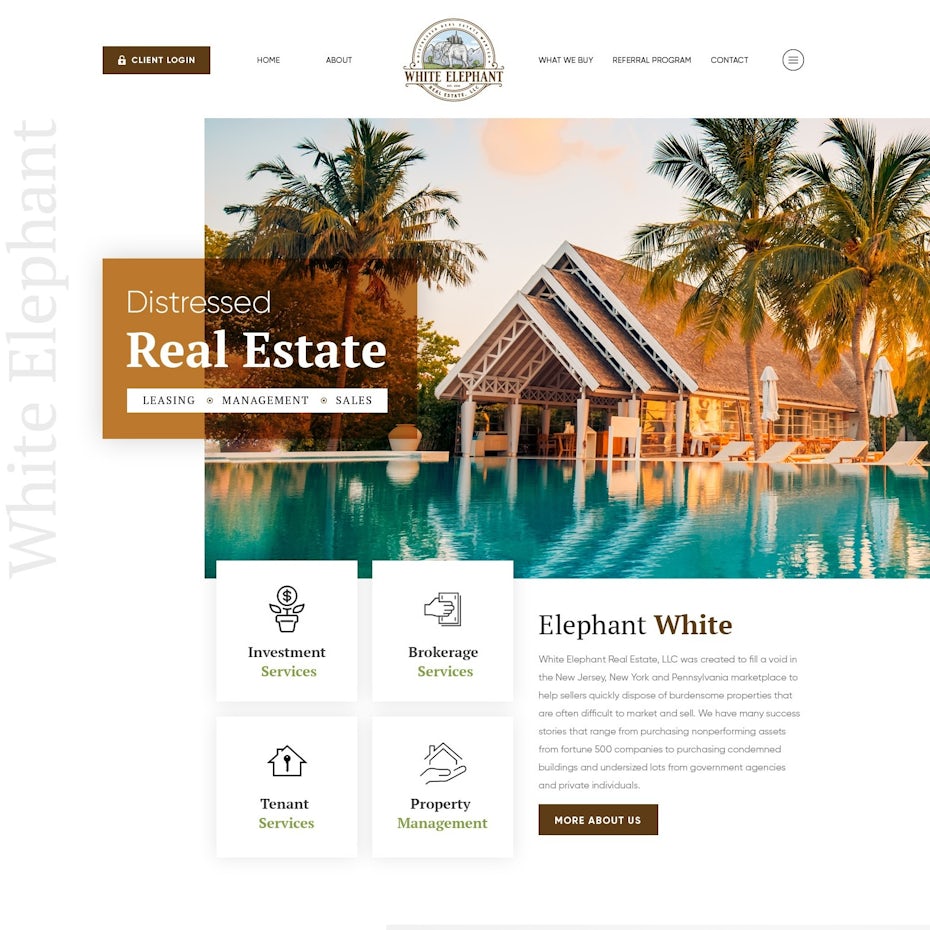
Staying updated with the most recent web design trends is crucial for any website designer. Modern users have specific expectations that evolve with tech advancements and design innovations. Trends such as minimalism, vibrant hues, and dynamic lettering can significantly enhance user engagement and ensure a website is up to date. A proficient designer will not only incorporate these trends but also adapt them to fit the unique needs of your brand, keeping the aesthetic appealing while ensuring performance.
User experience should always be a main focus for web designers, as it directly affects user retention and satisfaction. Utilizing intuitive navigation, responsive design, and accessibility features can greatly improve the user journey on your site. Designers who focus on UX will create websites that are simple to navigate, focusing on quick loading speeds and clear layout. This dedication to quality ensures that visitors can navigate your site effortlessly, encouraging them to linger and interact with your content.
Finally, the incorporation of SEO-friendly design practices can give your website a leg up on the competition. A knowledgeable designer will know how elements like page speed, responsive design, and clean code affect search engine rankings. By ensuring your website is search-engine friendly from the ground up, you can draw in more unpaid traffic and improve your online presence. This combination of design trends and best practices will lead to a website that not just is visually appealing but also performs well in meeting both user needs and business goals.